Project 01 · Brand and venture experiment · 2025

CheckMend 焙织语

How two students moved from an insight to market in six weeks—and used three experiments to question the business they had imagined.
The strategic premise

Chinese herbs could give hand-dyed yarn more than colour: a culturally specific story, a slower ritual and a reason to enter knitting.

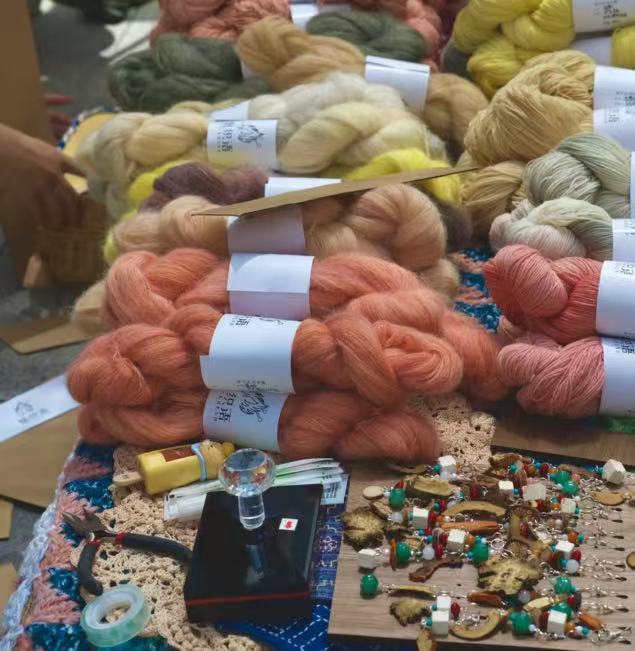
CheckMend herbal-dyed yarn and stitch markers at the Shanghai market

The opportunity

My co-founder and I met through knitting. I studied business; she studied traditional Chinese medicine. We saw high premiums in hand-dyed yarn, while much of the market relied on synthetic dyes. Chinese medicinal plants already held colour, cultural meaning and emotional resonance—yet rarely appeared in contemporary knitting.

Our first audience hypothesis was the stressed young urban woman: she might enter through curiosity about Chinese wellness culture, then discover knitting as a restorative practice. The ambition was not simply to sell yarn, but to make an older cultural vocabulary feel current and participatory.

My role

Strategy

Positioning, initial brand direction and the first business plan.

Commercial

Pricing, bookkeeping, cash management and reinvestment decisions.

Research

Competitor analysis across the hand-dyed yarn market.

Narrative

Brand naming, collection architecture and every colour story.

My co-founder led dyeing, sourcing, market operations and KOL relationships. This case reflects my contribution without absorbing hers.

The CheckMend co-founder testing herbal dyes on yarn

Six weeks to market

29 Mar

Opportunity spotted

A business student and a TCM student connect premium hand-dyed yarn with the overlooked colour potential of Chinese herbs.

01 Apr

Venture framed

Four days later, the first business plan turns an instinct into positioning, pricing and a competitor map.

18 Apr

Demand prepared

Yarn samples go to knitting creators for material testing and early audience seeding; the Shanghai market is confirmed.

10–11 May

Live market test

More than 30 of roughly 50 skeins sell. Naming stories and herb-made gifts become visible purchase triggers.

Jul

Channel test

Creator consignment produces RMB 2,109 in final profit, showing the value of concentrated trust.

20 Aug

Participation test

Eight of ten herbal dyeing kits sell—promising, but weaker than the finished-product offer.

Turning material into meaning

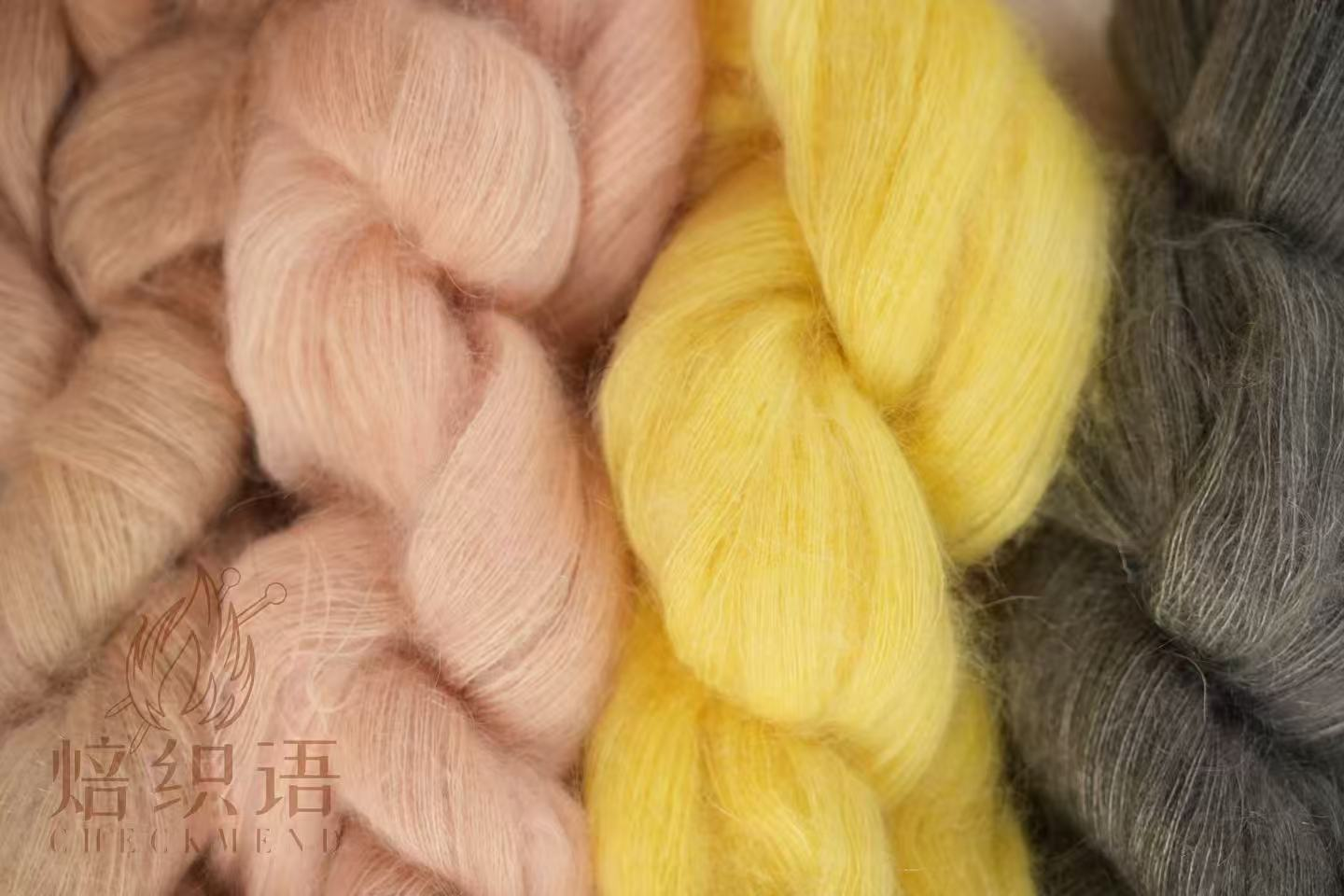
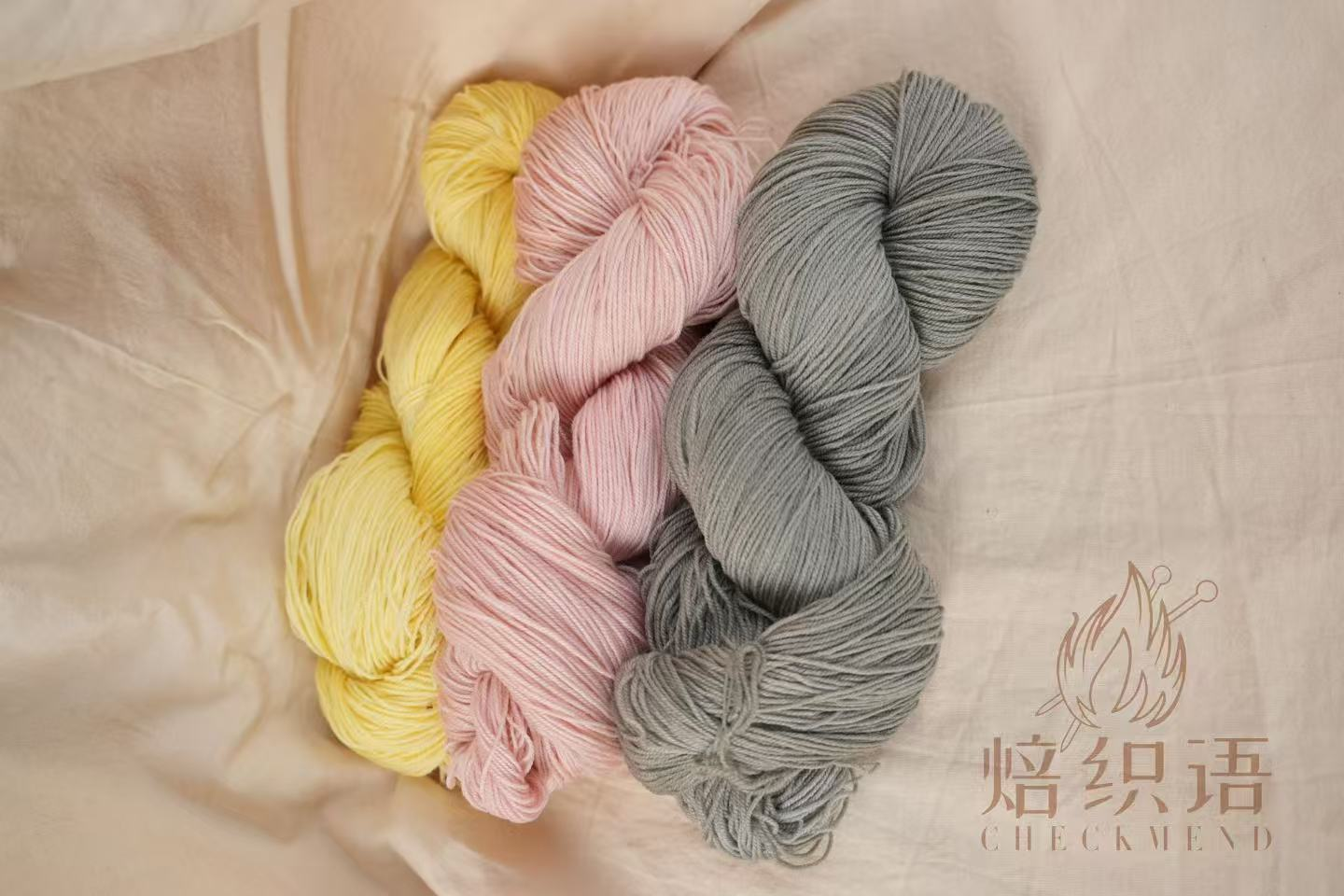
烬余香 / Ember Afterglow was the name of the entire first collection. It was designed to feel quietly removed from modern noise—not dark, and not conventionally cheerful wellness.

Mugwort · 艾草

烬余青

Grey-green like late-autumn moss, holding warmth that has not quite gone out.

Sappanwood · 苏木

骨绯

The first spring colour released when a peach branch breaks.

Gardenia · 栀子

缚愁

A clear yellow imagined as binding sorrow before the morning mist lifts.

The restorative value came from story, attention and making. We deliberately avoid presenting the yarn itself as medical treatment.

Three market experiments

Each channel answered a different question.

01

Shanghai market

Will story-led herbal yarn earn a premium in person?

30+ skeins sold; RMB 3,000+ revenue

The concept attracted attention, but travel and material costs made the model operationally heavy.

02

KOL consignment

Can borrowed trust convert without a physical stall?

RMB 2,109 final profit

A focused creator channel was commercially stronger than broad visibility alone.

03

DIY dyeing kit

Do customers want to participate in the process?

8 of 10 kits sold at RMB 168

There was interest, but not enough evidence to make kits the next core offer.

Signals worth separating

30+Skeins sold in Shanghai
RMB 3k+Market revenue
~80Herbal objects made
8 / 10Dyeing kits sold

The herb-made stitch markers and earrings were gifts with two-skein purchases. They ran out, and visitors repeatedly asked to buy them separately. Some even bought yarn to receive one.

This was a strong desirability signal—but not yet proof of standalone willingness to pay. Treating attention as validated demand would have been an attractive but premature conclusion.

The decision

Pause the model.
Keep the insight.

The yarn carried the brand most completely, while the small object created the easiest entry. Creator trust converted efficiently. The kit suggested some appetite for participation, but not enough to define the business.

At the same time, premium pricing did not guarantee a durable operation once travel, materials, production labour and time were considered. Continuing unchanged would have confused early affection with product–market fit.

CheckMend is therefore paused, not concluded. A future version may expand from herbal yarn into culturally rooted objects, workshops and restorative rituals. That is a new hypothesis to test—not a success claimed in advance.